
INTERVIEW WITH ADE BAKARE

1. I studied fashion design at Manchester, Salford University College. From an early age, I was interested in fashion design, but my parents told me I had to study at a university level before I could study fashion. Upon graduating from the University of Lagos, where I obtained a B.A. in History/Education (combined honours). Upon graduating from Salford, I worked briefly for 2 fashion houses in London, Victor Edlestein and Christiania Stambolian, before setting up Ade Bakare couture in 1991 with a loan from the Prince’s Youth Business Trust. (PYBT) We started with ready-to-wear, selling to boutiques and stores across the UK. We set up an atelier in Mayfair, London, in 1998, which led us to expand into Nigeria. I believe it’s very important to study what you want to venture into. Education is key, combined with training on the job, I strongly feel these have been the guiding principles that have served me well in my professional career as a fashion designer

2, Ovation magazine used to feature a lot of the designers in the UK in the 1990s, such as Koshiba and Adebayo Jones. Dele Momodu wrote a beautiful article about me designing and attending the Red Cross Ball in Monaco. I was invited by Princess Catherine Castliano, whom I designed for; she organised the annual ball called Bal de ete in Monte Carlo. Ovation covered the ball in one of its editions, which brought us to the limelight in Nigeria. Subsequently, the late 1st lady of Nigeria, Mrs Stella Obasanjo, of whom we came here as her official designer, introduced us to a lot of her friends, which made my trips to Nigeria very frequent. We were also invited to stage various fashion shows in Lagos by Mr Femi and Aima Lijadu and st moritz style. Due to constantly seeing clients in Nigeria, we opened an atelier in Lagos, Victoria Island, victoria island .which made us more conversant with the Nigerians and the fashion industry
3, opening an atelier in Nigeria was not intentional; a friend, Gbolahan Faleye, knew of an available shop and advised that I should take it, since I came to Lagos often to see clients. For a few years, it acted as a depot since all the clothes were made in the UK. Later, we employed a tailor to do alterations. He became adept at it and said we should bring the patterns I used to make the clothes in London, so that he could make some of the styles here in Lagos. Kabiru was only 17 yrs at the time, we did, and it was due to his confidence that we started making some styles here till today. He later went on to set up his own business and has become successful. It’s been a great experience having an atelier in Lagos. There’s a constant demand for our styles, and we design two collections a year for our Nigerian clients
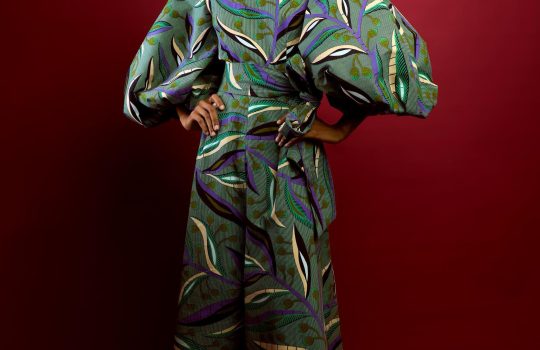
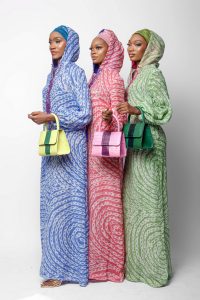
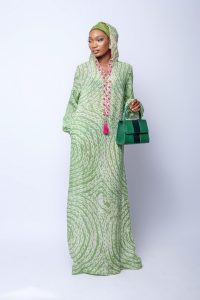
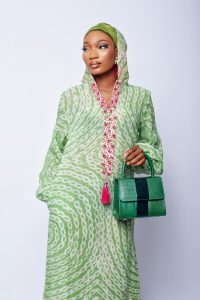
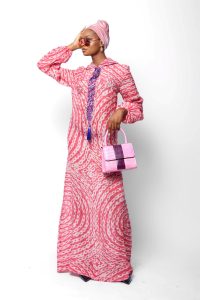
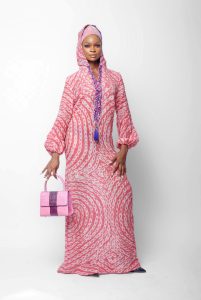
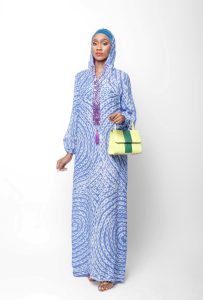
Initially, when we set up a base in Lagos, we brought in a lot of day and evening wear styles that were consistent with what we made for our UK clients. However, I started exploring Nigerian textiles and concentrated on Adire. We made adire in unusual fabrics at the time, such as chiffons, organza and silk crepes. I felt the cotton on which it was offered was not sumptuous or luxurious enough for couture. Clients would come into the atelier and gravitate towards the back, where these unique styles of chiffon and silk adire designs hung. They sold spectacularly well. I asked a client once why they like these styles so much, she said “This is us, and you make it in modern styles “ This was in 2007. We’ve not looked back, and continue to make exquisite styles in adire; we also use akwete and Aso oke in the collections

4. The fashion industry in Nigeria has grown frantically over the last 2 decades. There’s a huge emphasis on using Nigerian textiles, which is very promising. It’s become very vibrant with designers making very colourful and attractive styles. Lots of fashion houses have sprang up, offering assorted creative ideas; they have a huge online presence and sell to customers all over the world. which I feel is fantastic, it offers great employment and a foreign exchange
5. There has been a lot of attention on African and indeed Nigerian fashion over the past 2 decades. There’s a curiosity about Africa, the world is keen to explore in the creative realm, regarding Art, film and Fashion
African fashion has been brought to the world’s attention, and Nigerians, who are considered very fashionable, lead the way. The Nigerian fashion designers are churning out styles that are gaining recognition, which is very good creativity, but there is still a long way to go. With online and social media, the old traditional processes are gradually ignored. Lots of Nigerian fashion designers have no educational qualifications; some say we can’t all attend fashion institutions, and they also lack any training or work experience. They can launch themselves as fashion designers with much fanfare, staging fashion shows and online adverts, but when you look at their work, it lacks depth, which becomes evident in their designs. Am very pro academia. I feel it’s very important to have a foundation. There’s a lot of talk about the relevance of fashion degrees, lots of those in support point at Pharrell Williams and Virgil Abloh. I’m not sure these are valid reasons not to study; there will always be those who slip through the net, but they are rare and cannot be emulated. If Nigerian designers want to be truly global, they should invest in learning and work experience. This will now become evident in their designs. Those who adhere will grow much faster.
6. The Nigerian fashion industry has grown tremendously over the years. There has been huge interest in what designers here have to offer; the quality of the clothes and designs is remarkable. This has now been recognised abroad, probably due to the Nigerians in the diaspora wearing Nigerian styles. This has created a huge industry of small manufacturing units and all the necessary accessories that come with it, such as fabric suppliers, trimmings, etc. Lots of designers sell online to a huge market abroad, which is very encouraging
7. Fashion designers need to reflect their heritage in their designs, which gives them an edge in the global market. Initially, when we started the Ade Bakare couture design label in the UK, it was very international in terms of looks. Beautiful, cut high-end dresses, jackets and suits that were comparable with any of the international designers. i remember an editor at Vogue whom I had a meeting with, she advised to take from my culture, she said the clothes I designed could easily be made by an Italian or French designer .however, then I wasn’t aware of african textiles, this was the mid 90s and I only came to Nigeria for Christmas ( could be said I’ve been one of the original detty December posse ha! Ha ) .it was when we opened an atelier in lagos that I began to explore the indigenous fabrics. We soon started making styles in adire but using softer fabrics such as silk, chiffons, crepes, and satins. This gave the range a different edge. The summer 2010 collection was made entirely from silk adire, and we sold them mostly to buyers in the UK. However, it later caught on with our clients here and still does; someone’s own culture is key.

8, yes, I would say lots of fashion designers in Nigeria explore culture in their collections, which is very refreshing to see. When we started in the early 90s, it wasn’t so apparent. But designers like Maufechi Adeola Sagoe Jimi Kin King,d the late designer Remi Lagos were ahead of their time and used indigenous fabrics and styles. Jimi King explored using adire and Aso oke in such vibrant hues, Remi Lagos made the most exquisite boubous and kaftans in modern fabric,s both ahead of their time
9, it’s a designer’s creative job to explore, research and combine both in their designs
10, finance and direction. There has to be more investment by the government or private, fashion business courses and advisers,s especially from those who have been in the fashion industry for some time.
11. There has to be a recognition by the federal government that the fashion industry is a huge money earner for the country, and investment is much needed. The Abia state government has recognised the importance of the Aba market and currently ensures that the area that produces clothing is guaranteed electricity for production, which also creates much-needed employment
12, Nigerians are huge lovers of luxury, which is evident in their lifestyle. Lots of luxury shops have opened in Nigeria, especially in Lagos, which is also seen as the fashion capital. However, luxury is not just hiking the price on designs, trying to emulate foreign brands. What are you, the designer, offering the client that is of value? There’s a trend these days with lots of fashion brands offering “ luxury “, but on closer inspection, there’s not much to it in terms of fabric, cut, design or exclusivity. Nigerians are well-travelled and buy from a lot of international brands, so it’s very easy for them to compare quality. So my advice to those who use the term loosely is to make sure they are indeed offering something of great value. We have been fortunate in Nigeria and have gradually built up a client list of regular customers who buy from our collections each season, offering new styles from our signature looks, which is very important as it gives the customer a sense of belonging to the brand and confidence
13, Nigerians have always been used to having clothes designed for them, especially with the ladies going to their tailors to have things made. But now there is a growing list of designers who are offering couture for women and bespoke for men. The standards of couture are very high, which implies that you make styles to fit the client and generally would involve the making of a toile ( prototype) before it’s made in the actual fabric, and still then, 3/4 fittings are required before completion. We offer this service to our clients, which adds to the value of the design, and the client leaves happy with their purchase. Ive often heard some ladies complain that a certain designer ruined their outfit, but I always ask did you see a sample of the design before hand, was a toile made, did you have fittings, most times the designers have bypassed these processes, then it’s hardly surprising faults will occur along the way, though I must also say in Nigeria clients can be very impatient and would require designs in days, such is not possible in couture
14, luxury in the Nigerian context is no different from what is obtainable abroad. It’s just ensuring you use the best of fabrics, trimmings, and accessories; the cut and make must be superb.
15, The Nigerian brands must make sure the designs they are offering are of a high comparable standard, to what is obtainable internationally. They must also ensure they offer designs for the summer and winter seasons. Most designers in Nigeria are used to what will be termed “summer collections,” which is understandable since we live in a tropical climate. Delivery is key; all orders have to be delivered on time, and repeat orders are crucial, the ability to remake the same styles on request, hence you have to ensure you can source the same textiles. There’s a huge appeal to sell abroad, but I always say there’s a huge market too in Nigeria, which has not really been tapped into. We opened an atelier here in Lagos in the mid 20s and have seen it grow over the years
16, Fashion designers have to know the market they want to penetrate, be it women’s, men’s, bridal, couture, ready to wear, etc., and position themselves properly. It’s best to be known for a certain style which people can recognise and patronise you for. Make sure you have formal and informal training if possible, grow gradually, do not get carried away with publicity and fanfare of fashion shows, the glamour and glitz .concentrate on the product. And work closely with a person who has good accounting and financial skills
17 In Africa, we have always had a sense of sustainability; we reuse things over and over until it’s perished, which I feel is a beautiful way of life. We have often frowned on wasteage. In terms of clothes, we generally give to each other, promoting reuse. Designers are finding ways to reuse old fabrics in their collections, though this can present a problem if there are huge reorder requests; it’s a designer’s task to surmount these hurdles creatively. I stumbled upon old Aso Oke fabrics in the Lekki flea market in Lagos. I used them to make capes initially and sold them to our UK clients. I felt they would appreciate the old vintage fabrics and the way they were made the n. It later caught on with our Nigerian clients, which forced me to go as far as Ijebu Ode and Ibadan in search of “wrappers “, which are usually 2 yards and adequate to make the design. Sometimes we went to kparo markets where goods are exchanged for other goods. This was our sustainable efforts years ago. I was later commissioned to write a book on Aso Oke by the 1st lady of Lagos State, Dr mrs ibijoke sanwo Olu, which is available at Jazzhole bookshop in Ikoyi, Lagos. It covers types of Aso oke, its old and current usage, and future use globally.
The textile industry in Nigeria has sadly seen a great decline since the 1950s to the 80s, which could be considered its bright decade. With the oil boom, the county turned to importation, which offered lower prices and a great variety. Lots of manufacturing mills in the North and the South West started closing down, since they could not compete with the cheaper imports, and sadly, this trend has continued.
However, there is a bright flicker of hope now. The production of indigenous fabrics such as adire,akwete, Asò oke, etc require lesshigh-gradee machinery, since most are woven on local looms. Ordering Aso oke, for instance, from Iseyin in Oyo state can take weeks and even sometimes months to produce. But cloth producers are making great strides, and lots of home cottage loom weavers have sprang up. Fashion designers are also able to dictate patterns and styles, since most can cope with small orders. Designers now have their own unique clothes, which is progress. We use Adire for our collection, which we started in 2010. Initially, we used what was on offer, but I decided to do some research on adire production and learnt most adire styles had names attached to them, so we redesigned our own styles, such as Ilaari ( comb), Ododo (flowers ) ila (lines ), Ewan ( chains ), which is unique to the Ade Bakare couture label and has been registered and copyrighted at the Commission House in Costain, Lagos. The sky is the limit in terms of innovations and its. Designers’ task is to offer something new, especially when you can reference the past. It’s imperative that Nigeria begins to produce our indigenous fabrics on a larger scale in factories to meet growing demand; in the absence of this, we cannot complain when foreign agents take advantage and flood the market with cheaper imports. Though Ankara is not an indigenous fabric is now being accepted by Africans, especially West Africans, as a cultural cloth. I was at Balogun Market, Lagos, some years ago and was surprised to learn that some of the ankara sold are actually made in America. Yet we don’t produce any here in Nigeria. We have a ready market, so we have no excuse
19, The Ade Bakare couture brand was set up in London, England, in 1991, selling a ready-to-wear high-end women’s lines. It later branched into couture, bridal, men’s, perfume and now accessories, including a casual line of jeans and t-shirts, all available on our website.(www.adebakare.com) We are currently setting up a foundation and in the process of setting up a permanent exhibition place that will capture the past and present of our designs over the decades, both in London and Lagos.The idea of it being a place of learning and research
20, The future of Nigerian fashion is now and it’s very bright


free fire free diamonds
May 13, 2026 at 6:46 pmAlright, I found this page randomly, even though I almost skipped it. I read more than I originally planned without making it overly complicated.